
-
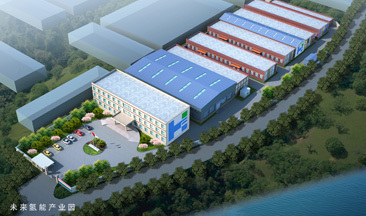
About UsFuture Hydrogen Energy Technology is a national high-tech company with global hydrogen energy technology and equipment. It has a number of core patented technologies. The international expert team has more than 30 years of hydrogen energy research and development and technology accumulation.
-
SolutionFuture Hydrogen Energy Technology is a national high-tech company with global hydrogen energy technology and equipment. It has a number of core patented technologies. The international expert team has more than 30 years of hydrogen energy research and development and technology accumulation.

-
-
Robust and reliable, quality assurance
-
AEM Electrolyzer
-
AEM hydrogen production system
AEM hydrogen production system
Products
-
-
ServiceFuture Hydrogen Energy Technology is a national high-tech company with global hydrogen energy technology and equipment. It has a number of core patented technologies. The international expert team has more than 30 years of hydrogen energy research and development and technology accumulation.

-
BlogFuture Hydrogen Energy Technology is a national high-tech company with global hydrogen energy technology and equipment. It has a number of core patented technologies. The international expert team has more than 30 years of hydrogen energy research and development and technology accumulation.

Times Weekly Exclusive Interview | Su Caihua: Cost Reduction Is the Key, and AEM Will Become the Core Pathway for Large-Scale Green Hydrogen Development
2026-06-08
Amid rising global oil prices and the recent launch of China's Hydrogen Energy Comprehensive Application Pilot Program, green hydrogen cost reduction and large-scale deployment have once again become focal points for the industry. Under the new policy framework jointly issued by three national ministries, eligible city clusters may receive incentives of up to RMB 1.6 billion, while a key target has been set to reduce the average end-use hydrogen price to below RMB 25 per kilogram by 2030.
In an exclusive interview with Times Weekly, Su Caihua, General Manager of Beijing Future Hydrogen Technology Co., Ltd., shared his insights on green hydrogen economics, the advantages of Anion Exchange Membrane (AEM) technology, industry competition, and the company’s strategic outlook, offering a clear perspective on the future of the hydrogen sector.
Electricity Costs Account for 70–80% of Hydrogen Production Costs
Su emphasized that the high cost of green hydrogen remains the primary challenge to broader industry adoption. Currently, electricity accounts for approximately 70%–80% of hydrogen production costs, making it the single largest cost component.
According to Su, reducing hydrogen prices requires progress on two fronts:
1. Lowering Electricity Costs
Greater utilization of low-cost renewable electricity, including off-peak wind and solar power and otherwise curtailed renewable energy, can significantly improve the economics of green hydrogen production.
2. Driving Cost Reduction Through Technology and Scale
Continuous improvements in materials, equipment efficiency, and large-scale deployment will further reduce production costs through technological innovation and economies of scale.
Su believes that as a new wave of large-scale hydrogen projects enters operation this year, advances in materials technology combined with growing market demand will accelerate cost reductions, making lower green hydrogen prices an inevitable trend.
AEM Combines Cost Efficiency with High Responsiveness
Regarding technology pathways, Future Hydrogen remains firmly committed to the development of Anion Exchange Membrane (AEM) water electrolysis technology.
According to Su, AEM offers a unique combination of advantages:
The cost-effectiveness and mature engineering foundation of traditional alkaline electrolysis;
The fast dynamic response capabilities associated with Proton Exchange Membrane (PEM) systems.
This combination enables AEM electrolyzers to rapidly respond to fluctuations in renewable power generation, making them particularly well suited for wind and solar-powered hydrogen production scenarios.
At the same time, Su noted that AEM remains an emerging technology. While it is currently progressing through pilot-scale demonstrations and rapid technological iterations, large-scale commercial validation is advancing quickly, and the technology holds significant long-term potential.
Moving Beyond Price Wars: Technology Will Define the Winners
Addressing concerns about excessive competition and price-driven market dynamics, Su acknowledged that low-entry-barrier segments of the hydrogen value chain have attracted numerous market participants, intensifying competitive pressures.
However, he stressed that long-term success will depend on technological leadership rather than price competition.
“Only companies that truly master core technologies will remain competitive over the long run,” Su said.
He emphasized that technological innovation is not only a source of competitive advantage but also the fundamental driver of sustainable cost reduction. Future Hydrogen will continue to prioritize research and development, relying on superior efficiency and technological performance rather than aggressive pricing strategies to win market share.
Strategic Priorities for 2026: Domestic Growth and Global Expansion
Looking ahead to 2026, Future Hydrogen has identified several key strategic priorities.
1. Accelerating Cost Reduction and Market Expansion in China
The company will continue investing in cost-reduction technologies while actively participating in hydrogen demonstration projects and supporting China's large-scale hydrogen deployment goals.
2. Advancing Global Market Development
Building on existing projects in South America and Australia, Future Hydrogen plans to further expand its international footprint and strengthen its global market presence.
3. Strengthening Talent Retention and Innovation Capacity
The company will continue to enhance employee equity incentive programs and strengthen the stability of its core technical team to support long-term innovation and sustainable growth.
Looking Ahead
With oil prices remaining elevated and policy support continuing to strengthen, the hydrogen industry is entering a critical transition period from demonstration projects to large-scale commercialization.
Future Hydrogen remains committed to advancing AEM technology as a core solution for green hydrogen production. By focusing on the three key drivers of cost reduction—electricity costs, material innovation, and economies of scale—the company aims to accelerate the widespread adoption of green hydrogen across industries and communities.
Through continuous technological innovation and global expansion, Future Hydrogen is dedicated to supporting energy security, advancing the clean energy transition, and contributing to the achievement of China's carbon neutrality goals.
Related information

Domestic & Global Industry Updates | Weekly Hydrogen Energy News Review
2026-09-14

2026-08-25

2026-08-25


